【フィリピンアートの歴史】多層的だからこそ、さまざまな表情を持っている。 【A Brief History of Philippine Art】 Why Its Many Layers Give It So Many Faces.
English follows the Japanese text. :)
フィリピンのアートと聞くと、明るい色づかいや南国らしい風景を思い浮かべる人もいるかもしれません。
フィリピンアートの歴史を、「多層性」という視点からたどってみます。
フィリピンアートの根っこを知る入口として、ここではアンゴノ・ペトログリフという壁画とマヌングルの壺を取り上げます。
アンゴノ・ペトログリフは、フィリピンでもっとも古い絵画表現とされる、新石器時代の岩壁画です。岩壁に、人物のような形が刻まれており、フィリピンに古くから視覚的な表現があったことを伝えています。
一方、マヌングルの壺は、パラワン島で発見された埋葬用の土器です。
紀元前890〜710年頃のものとされ、蓋の上には小舟に乗った人物が表されています。これは、死者の魂が別の世界へ向かう姿を表しているともいわれます。
この2つを見ると、フィリピンのアートの出発点が、「美しいものを作ること」だけではなかったとわかります。
フィリピンは、たくさんの島からなる国です。
地域ごとに言語や文化、信仰、暮らし方が違います。
スペインが来る前から、各地にはそれぞれの共同体があり、海を通じた交易も行われていました。中国、東南アジア、イスラム文化圏とのつながりもありました。
島ごと、地域ごとに違う文化があり、それぞれが外の世界ともつながっていたのです。
この「ひとつではない」という感覚は、フィリピンアートを見るうえでとても大切です。
16世紀以降、スペインの植民地となりました。
この時代、カトリックが広がり、教会、聖像、宗教画などが多く作られるようになります。
今でも街を歩くと、教会や宗教行事が生活の中に深く根づいていることがわかります。
その背景には、長いスペイン植民地時代があります。
そして、スペインの影響だけでなく、中国系職人などの他のアジア技術などが混ざりあいます。
19世紀になると、植民地支配への疑問や、改革を求める意識が高まっていきます。
美術の世界でも、重要な画家たちが登場しました。
フアン・ルナとフェリックス・レスレクシオン・イダルゴです。
二人はヨーロッパで学び、国際的な美術展で評価されました。
特にフアン・ルナの《スポリアリウム》は、フィリピン美術史を語るうえで欠かせない作品です。
《スポリアリウム》は、古代ローマの闘技場で命を落とした剣闘士たちの姿を描いた大作です。この作品は、植民地支配の中で苦しむフィリピンの姿と重ねて見られることがあります。
ここで美術は、ただ美しいものを描くだけではなくなっていきます。
存在、誇り、苦しみ、そして「自分たちは誰なのか」という問いと結びついていきました。
美術は、社会や歴史を映すものになっていったのです。
20世紀前半に人気を集めた画家のひとりが、フェルナンド・アモルソロです。
彼は、明るい田園風景や、光の中にいるフィリピンの人々を美しく描きました。そこには、理想化されたフィリピンの姿があります。
一方で、ヴィクトリオ・エダデスは、フィリピン美術にモダニズムをもたらした人物として知られています。彼は、整った美しさよりも、大胆な筆づかいとともに、労働者や都市の現実を描きました。
つまり、この時代のフィリピンアートには、2つの表情がありました。
理想化された美しいフィリピン。
そして、近代化の中で変わっていく現実のフィリピン。
この対比は、今のフィリピン現代アートにもつながっています。
第二次世界大戦後の1946年、フィリピンは独立します。
けれども、独立はすべての問題が解決したという意味ではありませんでした。
戦後には、復興、貧困、政治、社会の不平等など、さまざまな課題が残りました。
この時代のアーティストたちは、そうした社会の中で「フィリピンらしい表現とは何か」を探していきます。H. R. オカンポのような抽象画家や、ナポレオン・アブエヴァのような彫刻家は、西洋から学んだ表現を取り入れながらも、独自の感覚を探りました。
1970年代から1980年代にかけて、国民たちはマルコス政権下の強い政治的抑圧を受けました。
この時代、アートは社会に対するメッセージを持つようになります。
貧困、不平等、暴力、抑圧、人々の苦しみや希望を表現する作品が生まれました。
この流れは、社会派リアリズムと呼ばれます。
社会派リアリズムの作品は、ただ「きれい」なものではありません。見る人に考えさせたり、胸に重さを残したりすることがあります。
明るさだけではなく、痛みも描く。美しさの奥に、社会へのまなざしがある。
そこに、フィリピン現代アートの深さがあります。
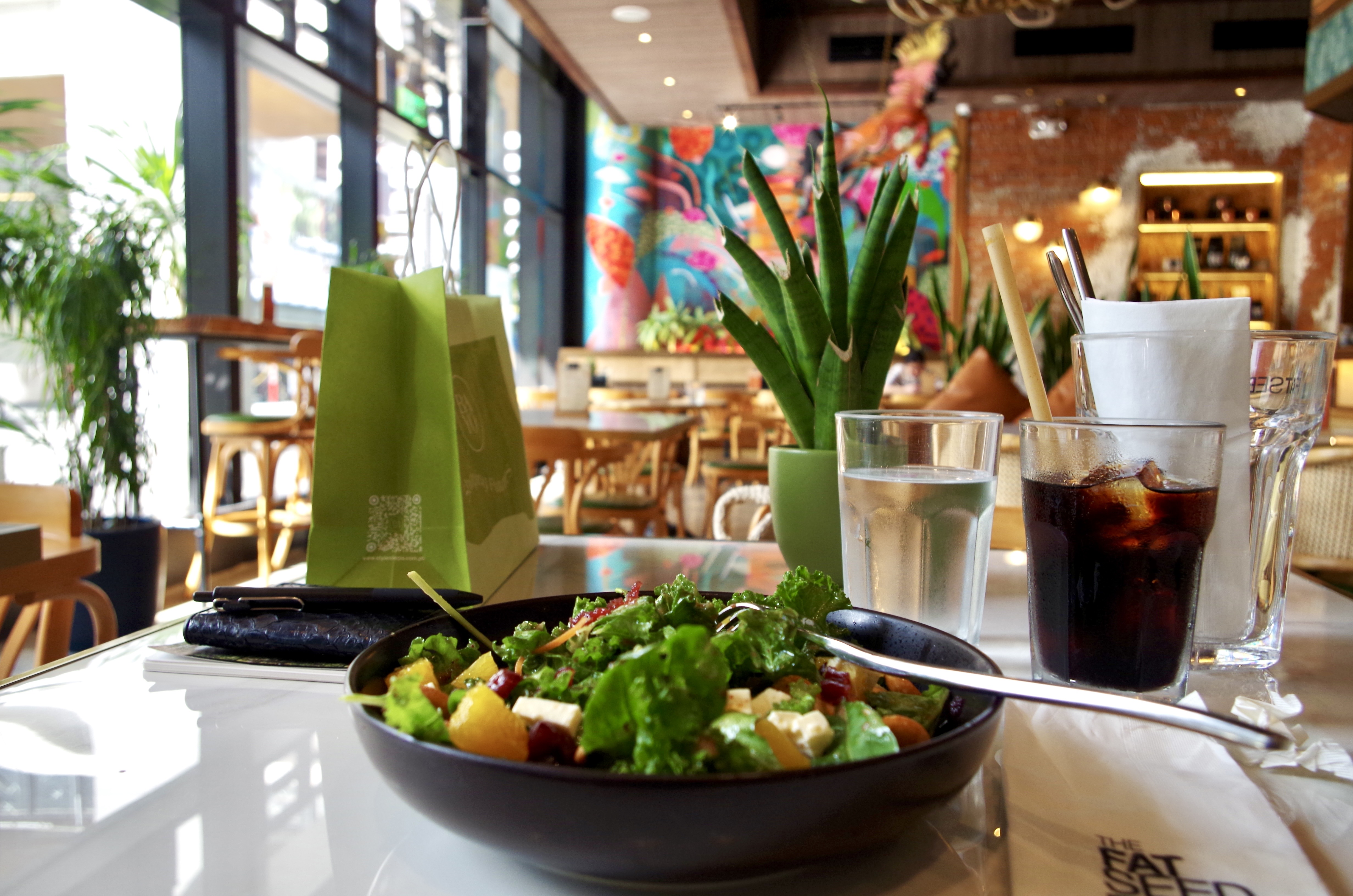
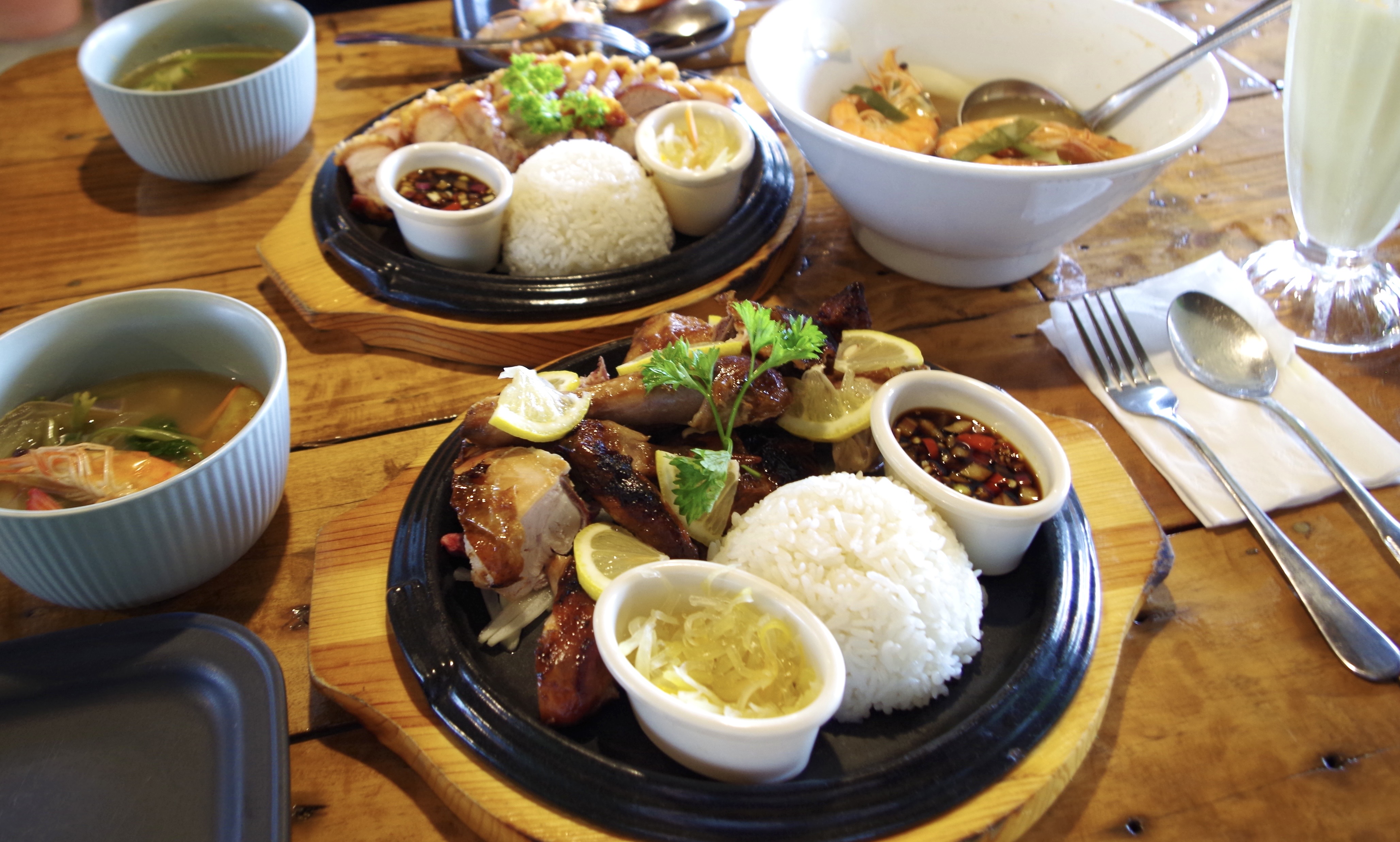
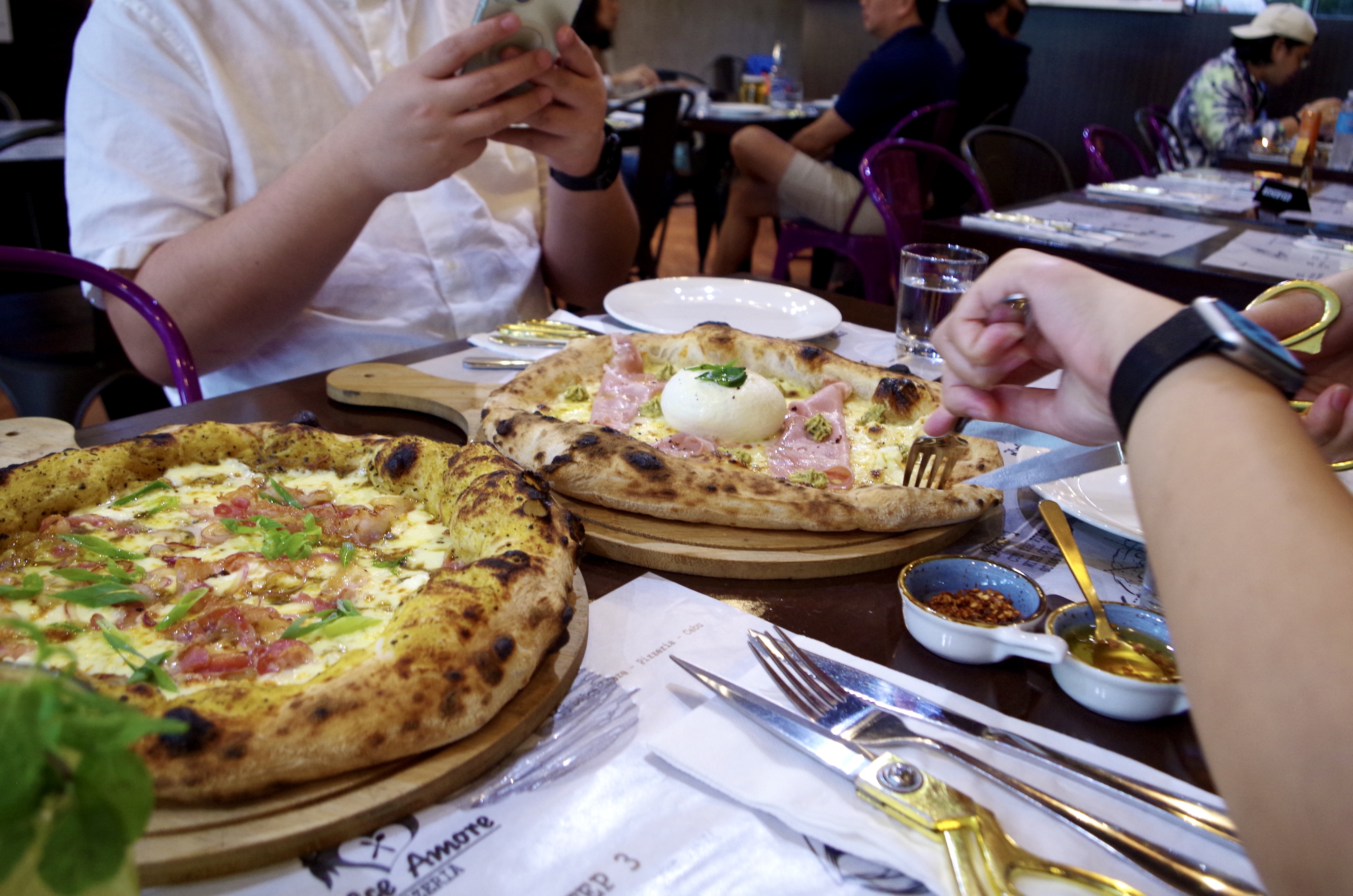
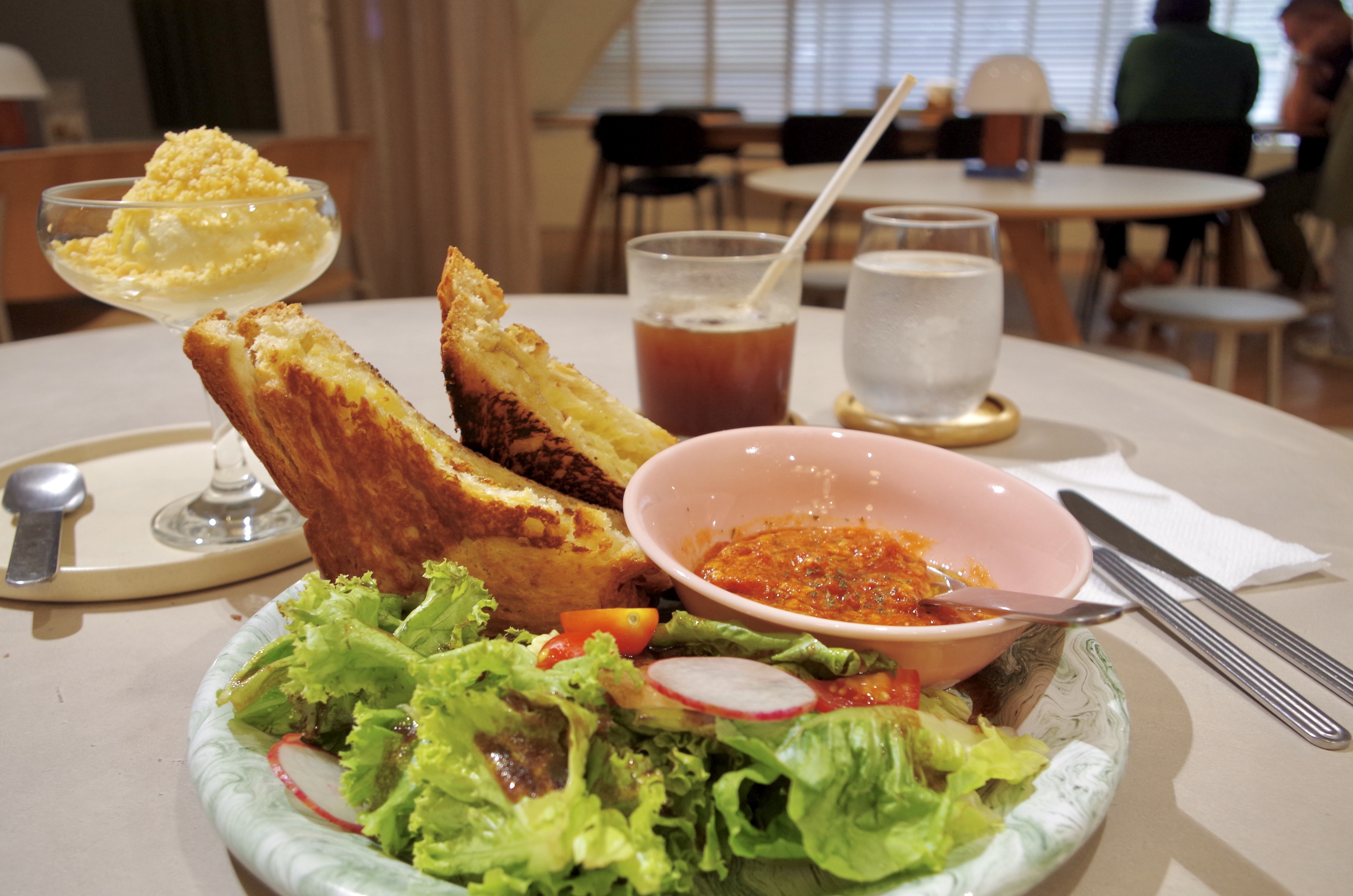
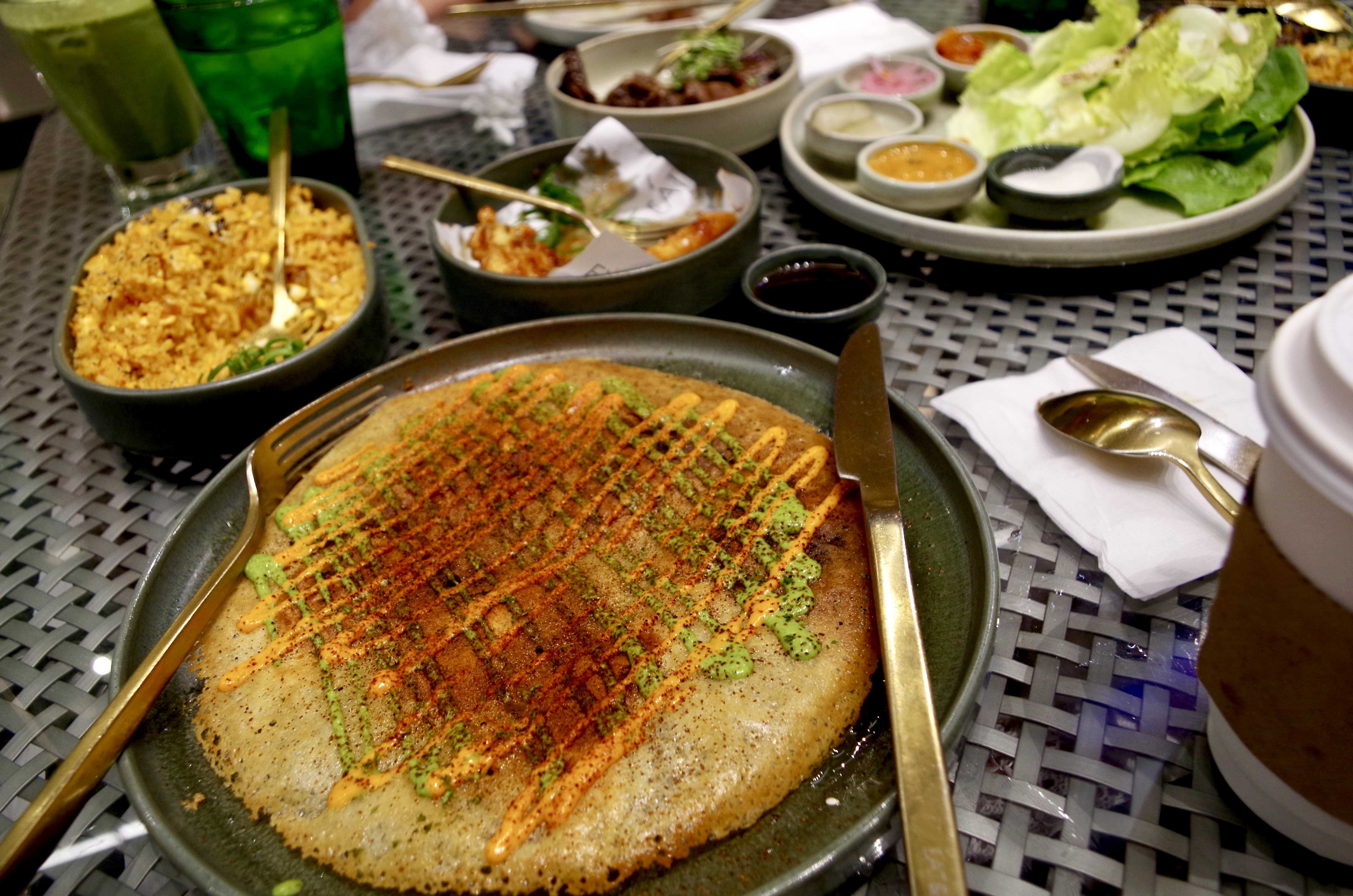
このようなアートの多層性について考えていると、フィリピン料理のことを思い出します。
「フィリピン料理って、どんな料理?向こうではどんなものを食べているの?」と知りあった人に聞かれると、いつもうまく答えられずにいました。
アメリカ料理のように感じるものもあれば、スペイン料理や地中海料理に近いものもあります。イタリア料理、韓国や中華系の料理も好まれ、地域や家庭によって味も大きく違います。インターネットで"フィリピン料理"で検索して出てくる料理は、都会のではなかなか見かけないように思います。
最近になって、いちばん適切な答えは「フュージョン料理」なのかもしれないと思うようになりました。
いくつもの歴史や記憶が重なり合うことで、独自の表情が生まれていること。
フィリピンアートは、簡潔な言葉で説明できるものではありません。
けれど、その説明しきれなさこそが、フィリピンアートの面白さなのだと思います。
※今回の記事はこちらの本を参考にさせていただきました。
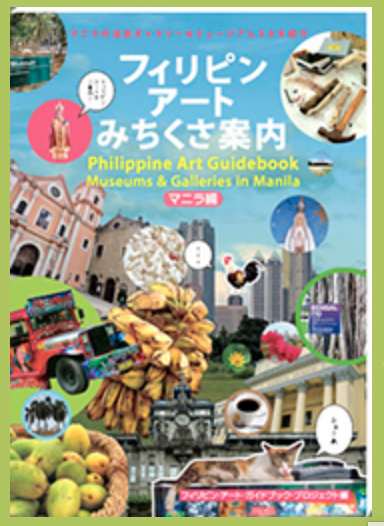
発行フィリピン・アート・ガイドブック・プロジェクト
SEILA
ーーーーーーーーーーーーーーーーーーーーーーーーーーーーーーーーーーーーーーーー
When people hear the words “Philippine art,” some may imagine bright colors and tropical landscapes.
In this article, I would like to trace the history of Philippine art through the idea of “layers.”
As an entry point into the roots of Philippine art, I will introduce two works here: the Angono Petroglyphs and the Manunggul Jar.
The Angono Petroglyphs are considered the oldest known form of pictorial expression in the Philippines. They are Neolithic rock carvings, with human-like figures engraved on a rock wall. They show that visual expression existed in the Philippines from a very early period.
The Manunggul Jar, on the other hand, is a burial jar discovered in Palawan.
It is believed to date from around 890 to 710 BCE. On its lid, there are figures riding a small boat, which is often interpreted as a representation of the soul’s journey to another world.
Looking at these two works, we can see that the starting point of Philippine art was not simply about “making beautiful things.”
The Philippines is a country made up of many islands.
Each region has its own languages, cultures, beliefs, and ways of life.
Even before the arrival of Spain, different communities already existed throughout the islands, and maritime trade connected the Philippines with China, Southeast Asia, and the Islamic world.
Philippine culture was never a single, unified thing from the beginning.
Each island and region had its own culture, while also being connected to the wider world.
This sense of “not being just one thing” is very important when looking at Philippine art.
From the 16th century onward, the Philippines became a Spanish colony.
During this period, Catholicism spread, and many churches, religious statues, and religious paintings were created.
Even today, when walking through cities and towns in the Philippines, you can see how deeply churches and religious festivals are woven into everyday life. Behind this is the long history of Spanish colonial rule.
At the same time, Philippine religious art was not shaped by Spanish influence alone. It also incorporated other Asian techniques and sensibilities, including the work of Chinese artisans.
In the 19th century, questions about colonial rule grew stronger, along with calls for reform.
Important painters also emerged during this period, including Juan Luna and Félix Resurrección Hidalgo.
Both studied in Europe and gained recognition at international art exhibitions.
In particular, Juan Luna’s Spoliarium is an essential work in the history of Philippine art.
Spoliarium is a large painting depicting fallen gladiators in ancient Rome, whose bodies are being dragged away after dying in the arena. The work is often seen as reflecting the suffering of the Philippines under colonial rule.
At this point, art was no longer only about painting beautiful things.
It became connected to existence, pride, suffering, and the question: “Who are we?”
Art began to reflect society and history.
In the early 20th century, one of the most popular painters was Fernando Amorsolo.
He beautifully painted bright rural landscapes and Filipino people bathed in light. His works present an idealized image of the Philippines.
On the other hand, Victorio Edades is known as the artist who introduced modernism to Philippine art. Rather than focusing on polished beauty, he painted workers and the realities of urban life with bold brushwork.
In other words, Philippine art during this period had two different faces.
One was the beautiful, idealized Philippines.
The other was the Philippines changing through modernization.
This contrast continues to connect with Philippine contemporary art today.
After World War II, the Philippines gained independence in 1946.
But independence did not mean that all problems had been solved.
After the war, the country still faced many challenges, including reconstruction, poverty, politics, and social inequality.
Artists of this period began to search for what a truly “Filipino” form of expression could be. Abstract painters such as H. R. Ocampo and sculptors such as Napoleon Abueva explored their own artistic language while also absorbing influences from the West.
From the 1970s to the 1980s, the Philippines experienced strong political repression under the Marcos regime.
During this period, art increasingly carried social messages.
Artists created works that expressed poverty, inequality, violence, oppression, suffering, and hope.
This movement is known as social realism.
Works of social realism are not simply “beautiful.” They can make viewers think, and sometimes leave a heavy feeling in the chest.
Philippine art does not only depict brightness. It also depicts pain.
Behind beauty, there is often a gaze directed toward society.
This is part of the depth of Philippine contemporary art.
When I think about the layered nature of Philippine art, I often think about Filipino food.
When people I meet ask me, “What is Filipino food like?” I have often found it difficult to answer.
Some dishes feel close to American food, while others remind me of Spanish or Mediterranean cuisine. Italian food, Korean food, and Chinese-influenced dishes are also widely enjoyed, and flavors can vary greatly depending on the region or household.
At the same time, the dishes that appear when searching “Filipino food” online are not always the kinds of dishes I often see in restaurants in urban areas.
Recently, I have started to feel that perhaps the most fitting answer is “fusion cuisine.”
I think Philippine art has something in common with this.
Its unique character comes from the layering of many histories and memories.
Philippine art cannot be explained in one simple phrase.
But I think that difficulty — the fact that it cannot be fully explained in a single sentence — is exactly what makes Philippine art so fascinating.
This article was written with reference to the following book:
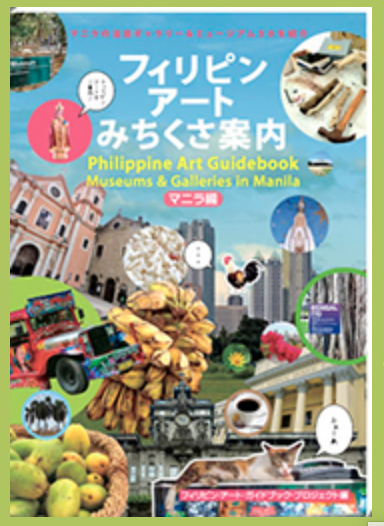
A Leisurely Guide to Philippine Art
Published by the Philippine Art Guidebook Project
SEILA